Smart enrichment ideas for happy healthy companion parrots daily
Toys, materials and daily play for companion parrots
Practical guides to safe parrot toys, foraging play, sound materials and daily enrichment routines that keep companion parrots active, healthy and happy.
Start with safe materials
Three ways into the file
Every guide on this site belongs to one of these three. Follow a number to the band that holds its pages.


The reading desk
Two pages kept at their own addresses: the references this magazine reads, and the way to reach the desk about a toy.
-
Safe Materials and Fit
Trusted Parrot Welfare References to Explore
Browse trusted avian vet, welfare and enrichment references that support safe toy choices, better care routines and deeper learning for owners in the US.
-

Toy Types and Play
Contact The Perch Post With Your Toy Questions
Send questions, toy safety tips and story ideas to The Perch Post team and get guidance on enrichment topics to cover next for US readers at home.


01Toy Types and Play
What a parrot does with a toy depends on its beak, its size and its habits. These guides sort play by what the bird is actually doing.
-
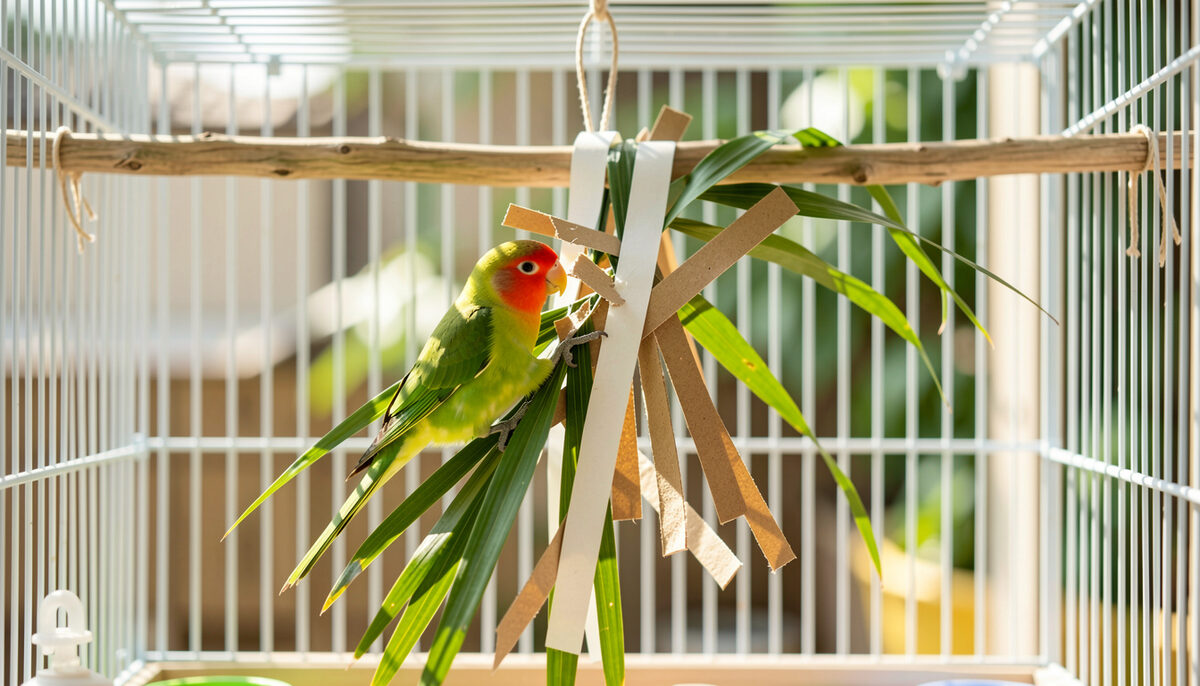
Toy Types and Play
Why Shredding and Chewing Matter Every Day
Discover why shredding and chewing keep beaks busy, which paper, palm and cardboard toys satisfy instincts and how often to replace them safely.
-
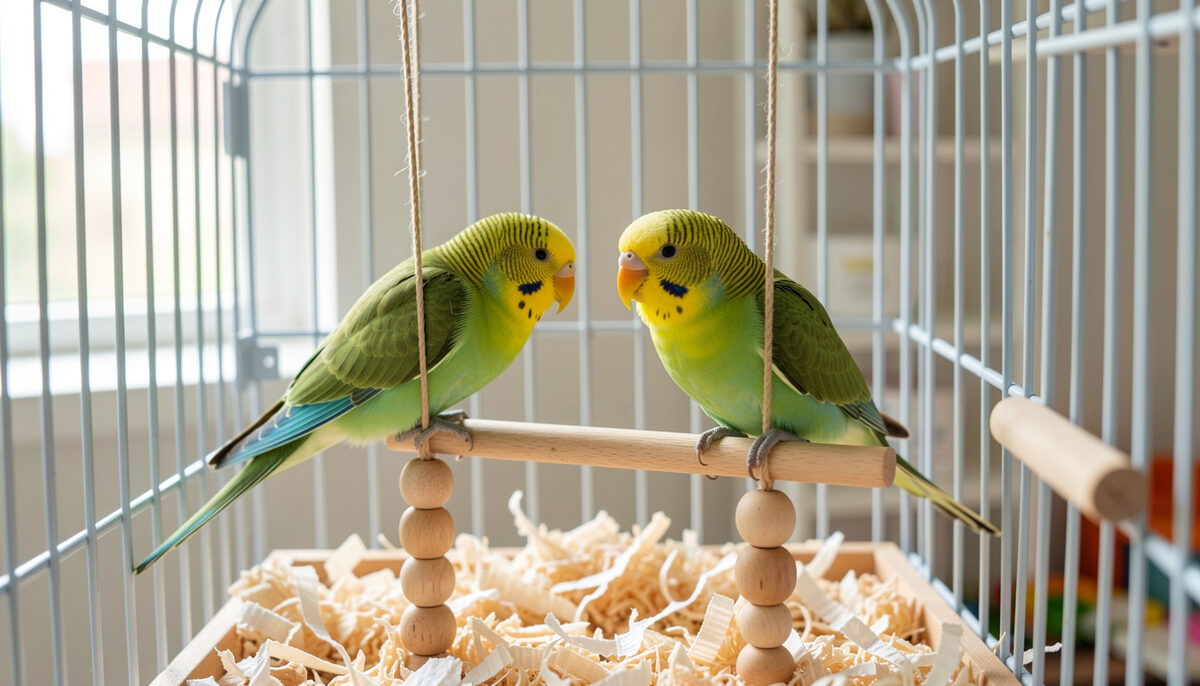
Toy Types and Play
Toys and Play Ideas for Budgies and Cockatiels
Find gentle small toys, swings, mirrors and foraging starters sized for budgies and cockatiels that build confidence and daily activity safely at home.
-
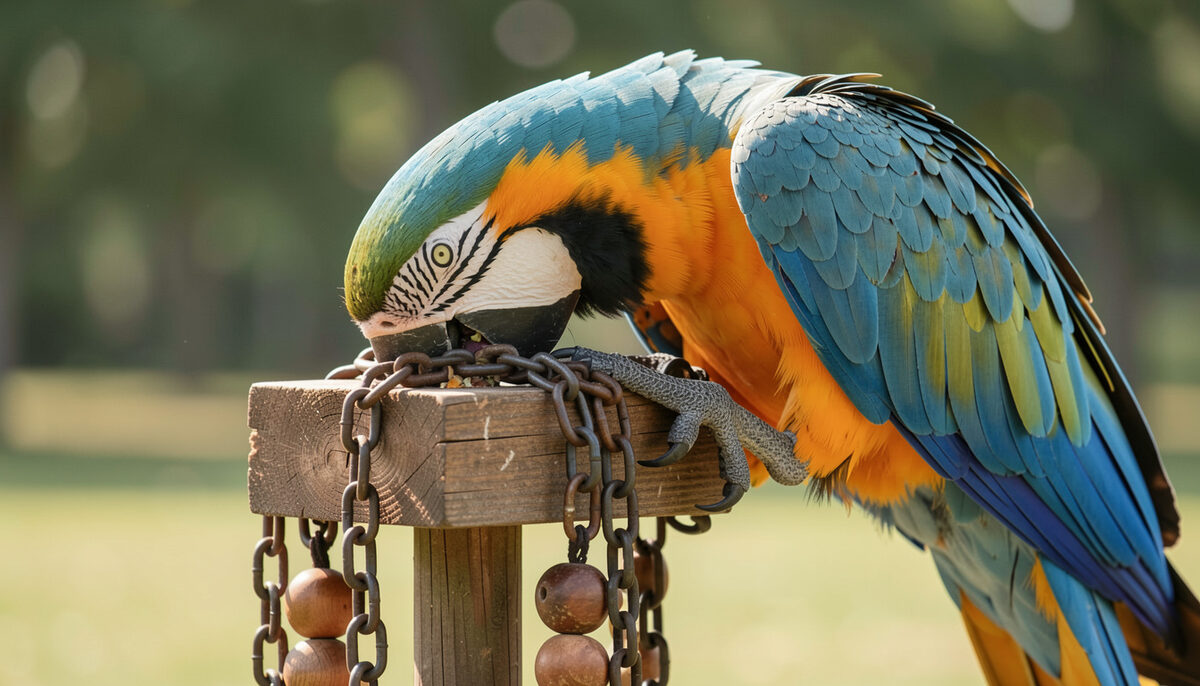
Toy Types and Play
Tough Toys for Strong Beaks of Big Parrots
Choose hard woods, large blocks, tough ropes and puzzle toys that meet strong beaks, high energy and long play needs of big parrots safely each day.
-
Toy Types and Play
What to Check Before You Leave Your Parrot
Before a trip, write the sitter sheet, pack the familiar toys and verify the room; a checklist beats memory when the door closes.
-
Toy Types and Play
How Toy and Care Knowledge Moves Between Owners
Care tricks move through clubs, rescues and families; knowing how knowledge travels helps you check what reaches your cage.
-
Toy Types and Play
What a Color Name Tells You, and What It Does Not
Color names in parrot listings are marketing more than genetics; learn what a mutation name says, what to ask, and what to check.


02Safe Materials and Fit
Wood, rope, metal, fabric and dye: what the material is made of, how it wears, and how a toy is checked before it goes back in the cage.
-
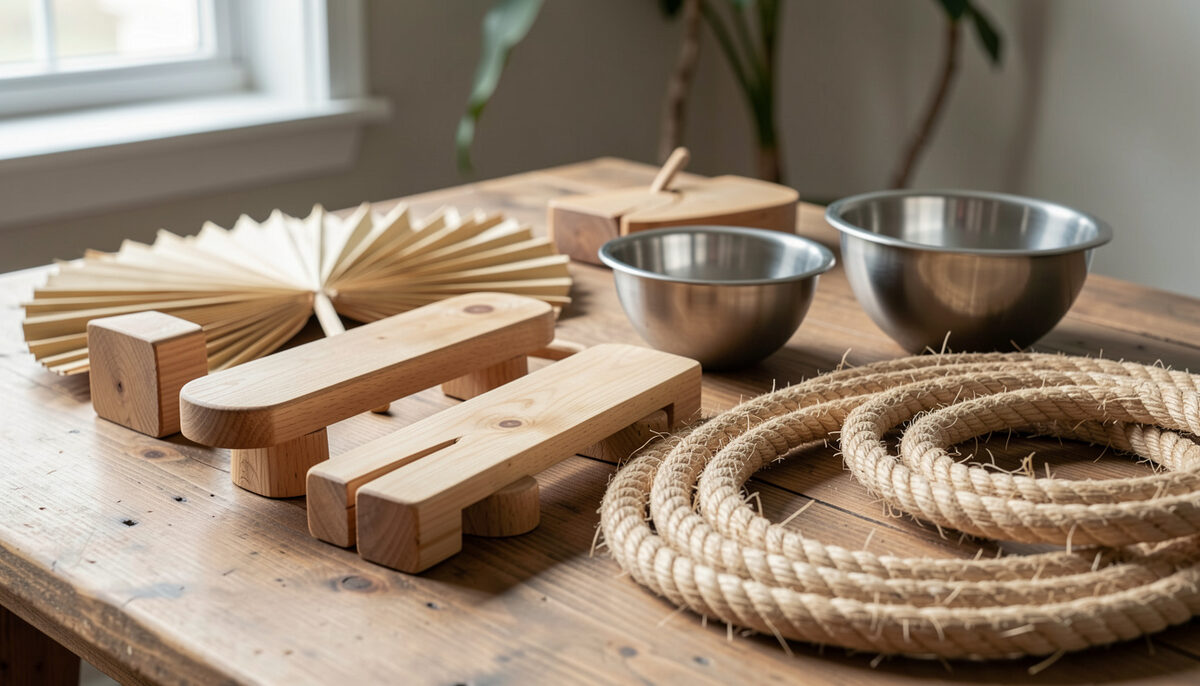
Safe Materials and Fit
How to Choose Safe Materials and Correct Toy Size
Learn which woods, metals, ropes and dyes are parrot safe, how to spot risks, clean toys well and choose right sizes for small and large birds daily.
-
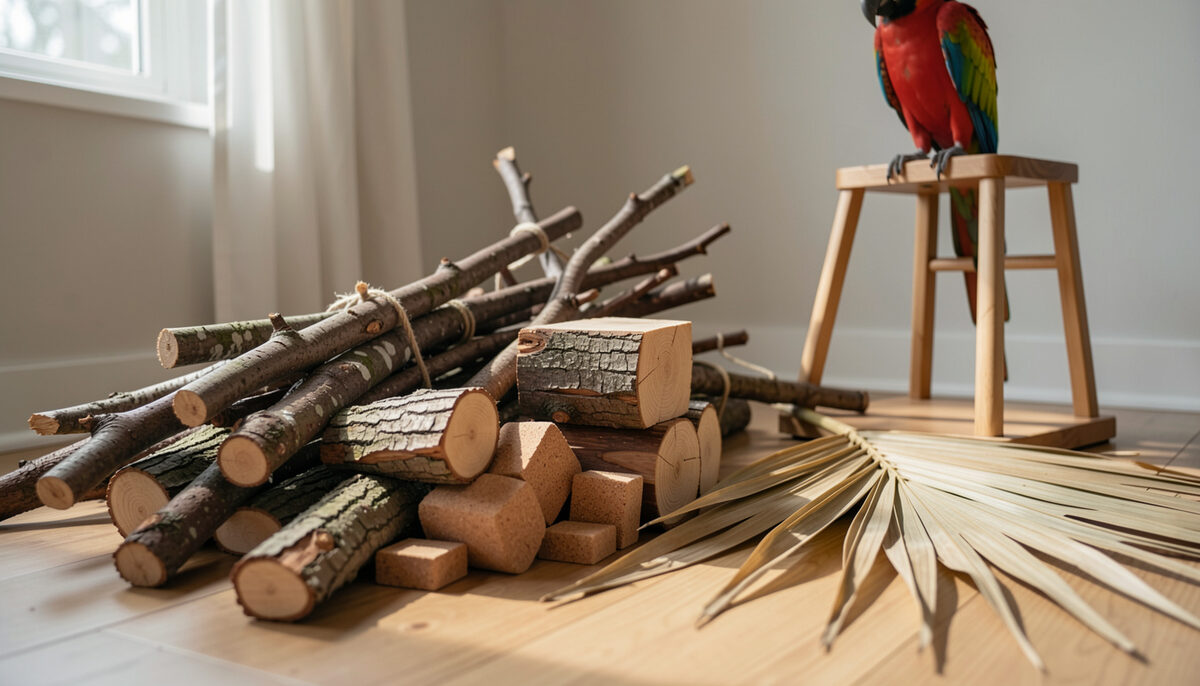
Safe Materials and Fit
Woods and Natural Chews That Are Safe for Parrots
See which untreated woods, branches and palm parts suit parrots, what to avoid, how to clean and prepare chews and when to throw pieces away safely.
-
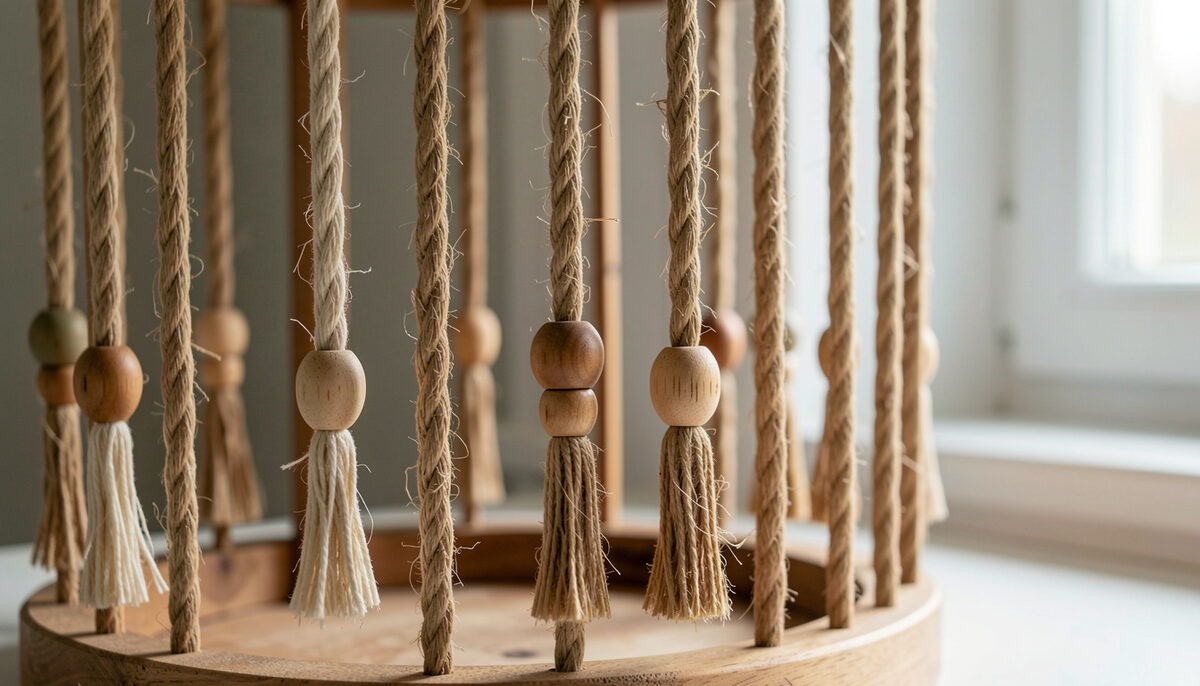
Safe Materials and Fit
Using Rope and Fabric Toys Without Risk
Check cotton, sisal and fleece toys for fraying and loops, learn safe trimming, washing and replacement habits that protect feet, necks and crops.
-
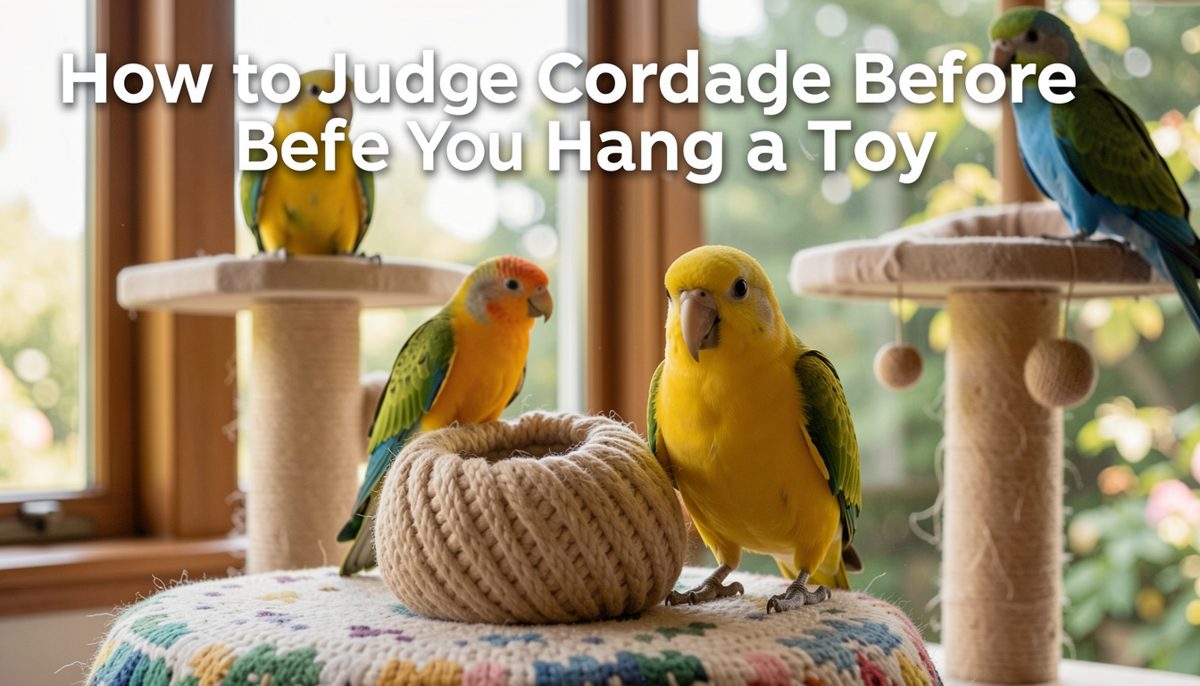
Safe Materials and Fit
How to Judge Cordage Before You Hang a Toy
Check rope thickness, fiber type, knot seating and hanger hardware before a toy goes in the cage, with signs of wear to log each week.
-
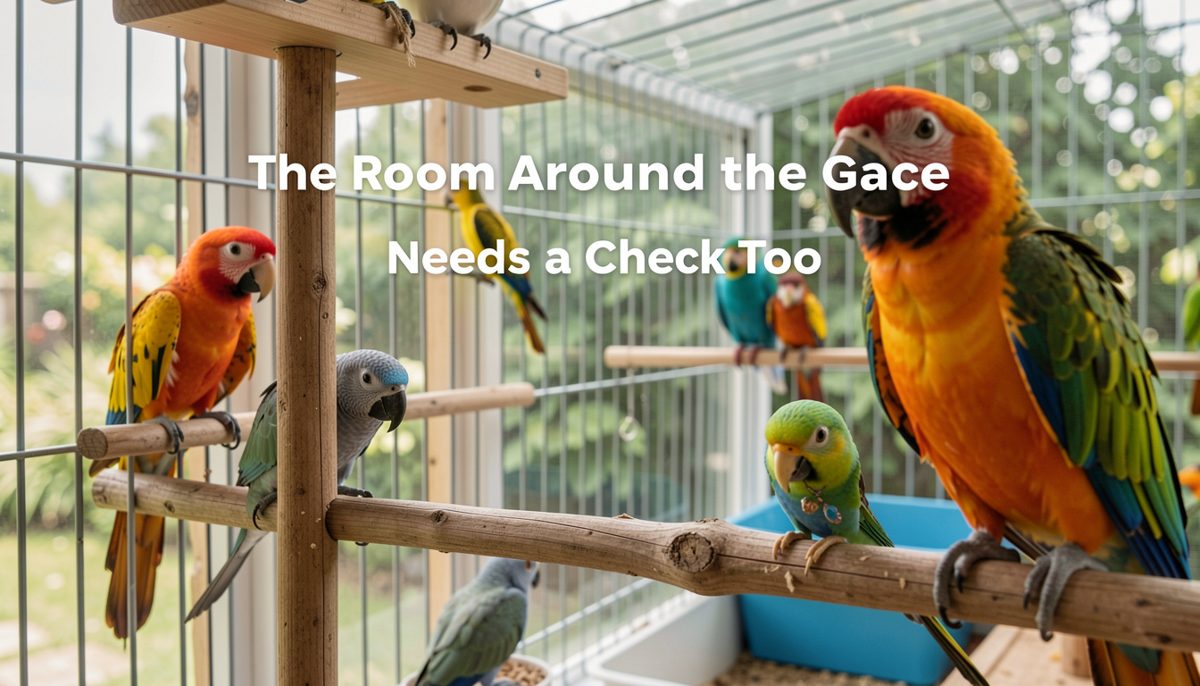
Safe Materials and Fit
The Room Around the Cage Needs a Check Too
Walls, floors, windows and cords around a parrot cage age quietly; a short monthly walk catches moisture, drafts and damage early.
-
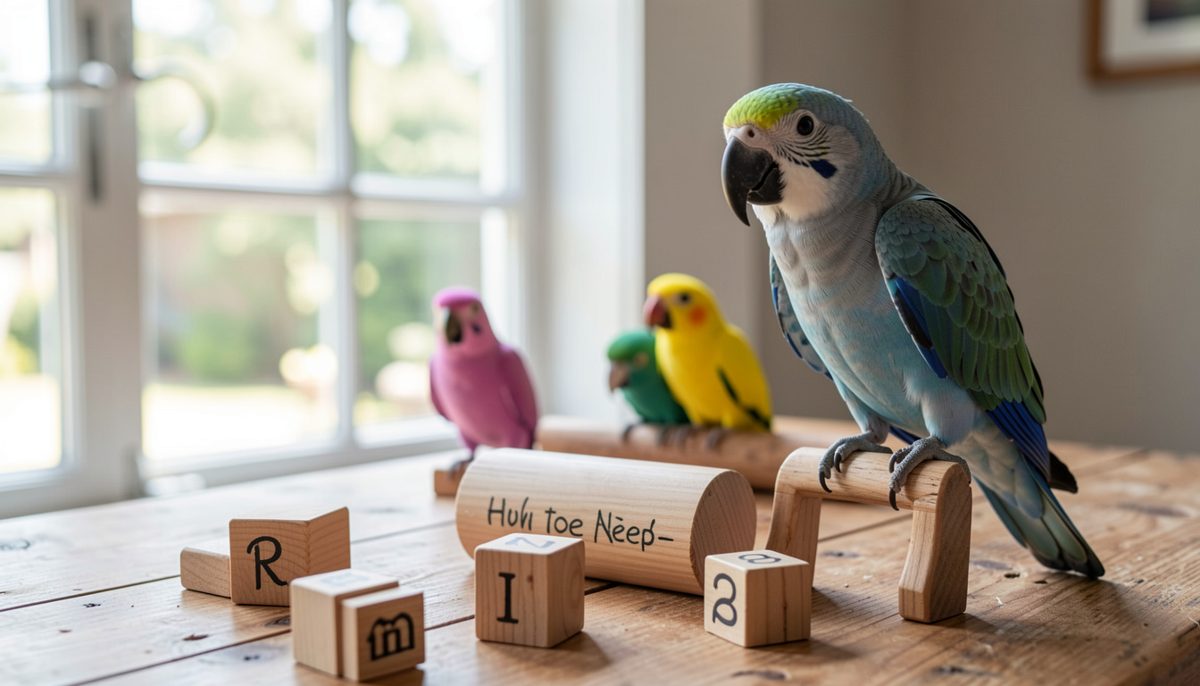
Safe Materials and Fit
How to Keep Wooden Toys Sound Between Rounds
Dry storage, light cleaning and a look at grain and hardware keep wooden parrot toys ready for the next rotation without surprises.


03Enrichment, Foraging and DIY
The part that happens every week: rotation, storage, foraging and toys built at home from paper, cardboard and plain wood.
-
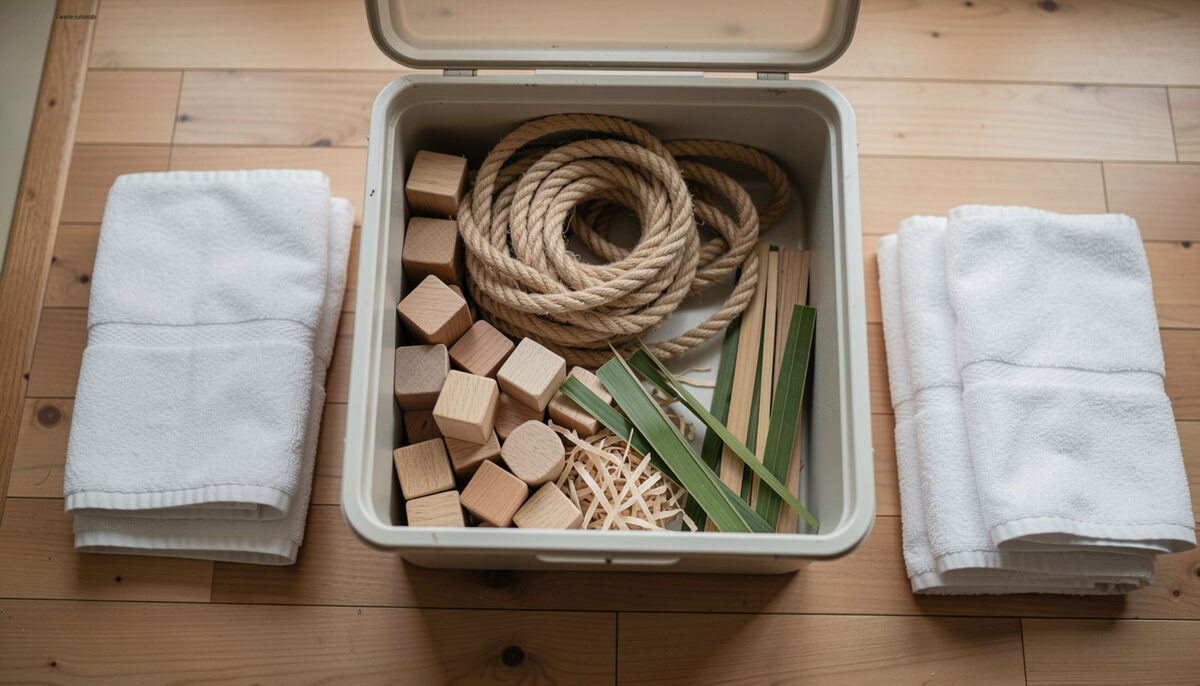
Enrichment, Foraging and DIY
A Simple Weekly Plan to Rotate Parrot Toys
Set a simple weekly toy rotation with storage, cleaning and observation tips that renew interest, lower stress and stretch your toy budget further.
-
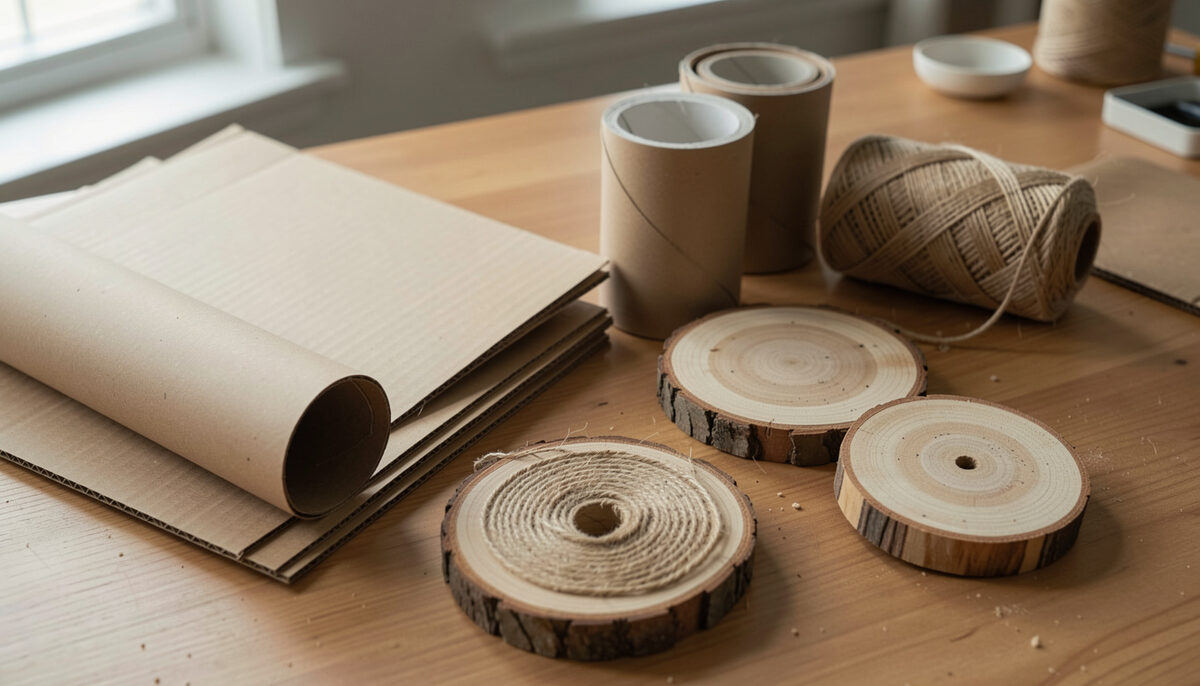
Enrichment, Foraging and DIY
Safe DIY Toys Made From Home Materials
Make low cost toys from paper, cardboard and wood pieces with safe knots, no glue or toxins and easy steps for busy parrot owners today at home.
-
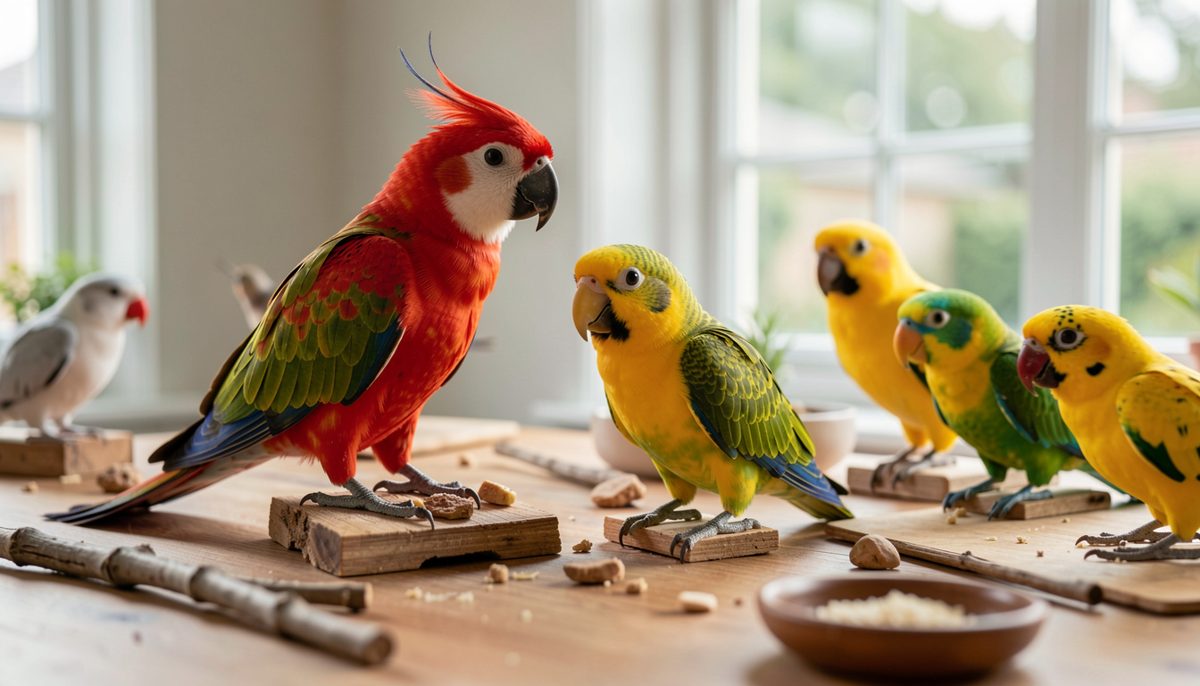
Enrichment, Foraging and DIY
A Journal Turns Strange Moments Into Patterns
When a parrot does something odd once, write it down; a simple journal of dates, rooms and triggers shows patterns memory misses.
-
Enrichment, Foraging and DIY
Notes You Can Search Beat Notes You Cannot Find
A plain text log of toys, chews and behavior stays useful for years; typing it takes minutes once your fingers learn the keys.
-
Enrichment, Foraging and DIY
Bring the Chewed Toy and the Question Together
Swallowed fibers, odd droppings and medication questions go to the clinic; prepare the toy, the timeline and your short list.
-
Enrichment, Foraging and DIY
Set Up Foraging Before the Kettle Boils
The first ten minutes of the day set the tone; a foraging cup set before your own breakfast keeps a parrot busy and quiet.


From the desk
How these pages are written
The Perch Post is a magazine about the daily life of companion parrots: what they chew, what they shred, what they forage for, and what keeps a cage interesting from one week to the next. The pages are written from public sources named inside each article, and they say where the material stops rather than filling the gap.
Nothing here is sold and nothing is recommended by brand. If a question is missing, or a page needs a correction, the contact page carries the address. The about page explains what the magazine covers, and the legal notice gives the editor and hosting details.
Beyond the perch
Pages outside parrot keeping that the desk reads for their method, their craft or their patience. Each one works the way this magazine tries to: observe first, name the source, say where the material stops.
The wider shelf
A quiet room and a reward given on time is how most home learning starts, and reward based dog training at home is documented for New Jersey families room by room.
Watching a street before deciding is a habit this desk shares, and New England house hunting reads neighborhoods in Massachusetts and southern Maine at the same walking pace.
Evidence first, then the intervention: acupuncture evidence by condition is read against comparators and stated limits, which is how we like a claim treated.
Craft survives where a town keeps it, and Italian accordion making in Castelfidardo is covered from bellows control to the workshop stories of 1863.
Racking, aisles and a daily equipment check run on the same logic as a cord inspection, and warehouse storage and handling is written for the people who run that floor.
A finished object keeps earning its shelf, and scale model collecting judges kits, cases and dust with arithmetic a reader can repeat.
Gentle movement at home is the same advice whether the reader has feathers or a stiff hip, and everyday back and neck care is written for desk workers in the UK.
Reading the ground before planting matches how we read a cage before hanging, and residential landscape planning walks owners through site analysis and the brief to a designer.